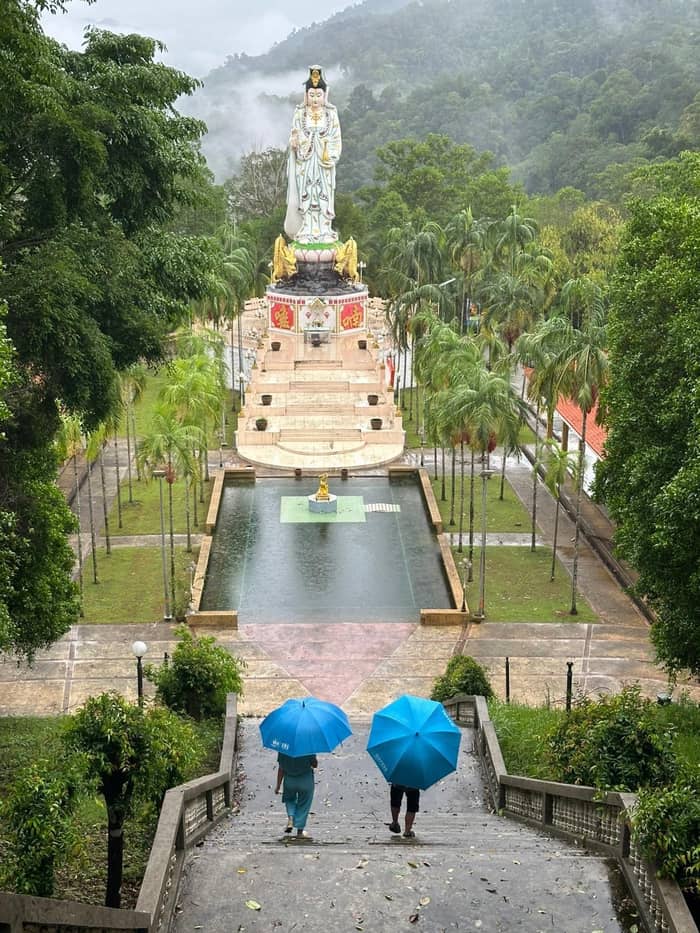
The 9 hour day
Site's temple day
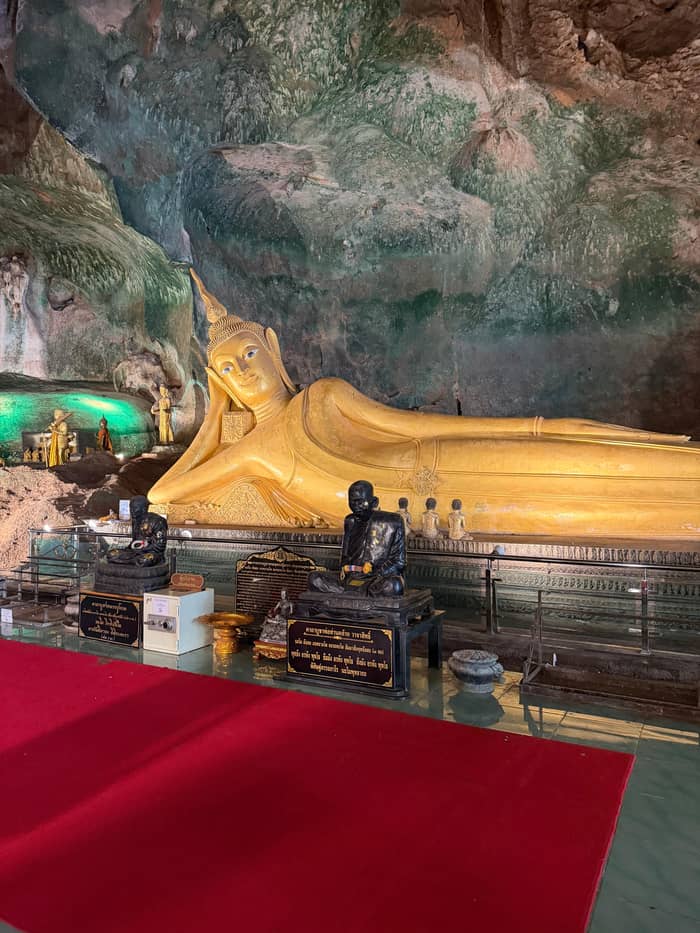
Caves, mountain, cave Buddha
- Length9 hours
- GuideEnglish
- LunchA local restaurant
Spot your stop
The quick take
The Dragon Cave Temple near Khao Lak is a karst cave temple inland from the coast, known for its stalagmites, a long climb of steps and a meditation tradition.
The temple in brief
See 18 route stops
First pick a route, then tap any pin or stop for details and Google Maps.
The Dragon Cave Temple, named Tham Phaya Nakarat in one listing, is the first stop of the site's day.
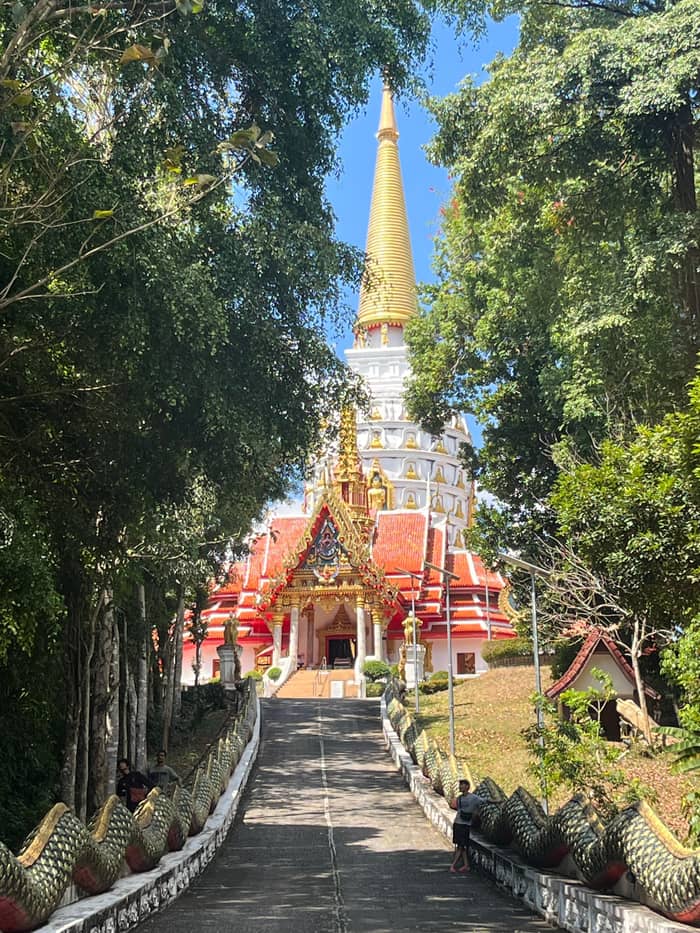
Google MapsWat Rat Uppatham, called Wat Bang Riang, stands on Khao Lan and holds a bell-shaped chedi.
Google MapsThe cave temple lies about 9 km from Phang-nga town on the highway to Phuket.
Google MapsThe provincial town; Takua Pa district lies 66 km from it.
Google Maps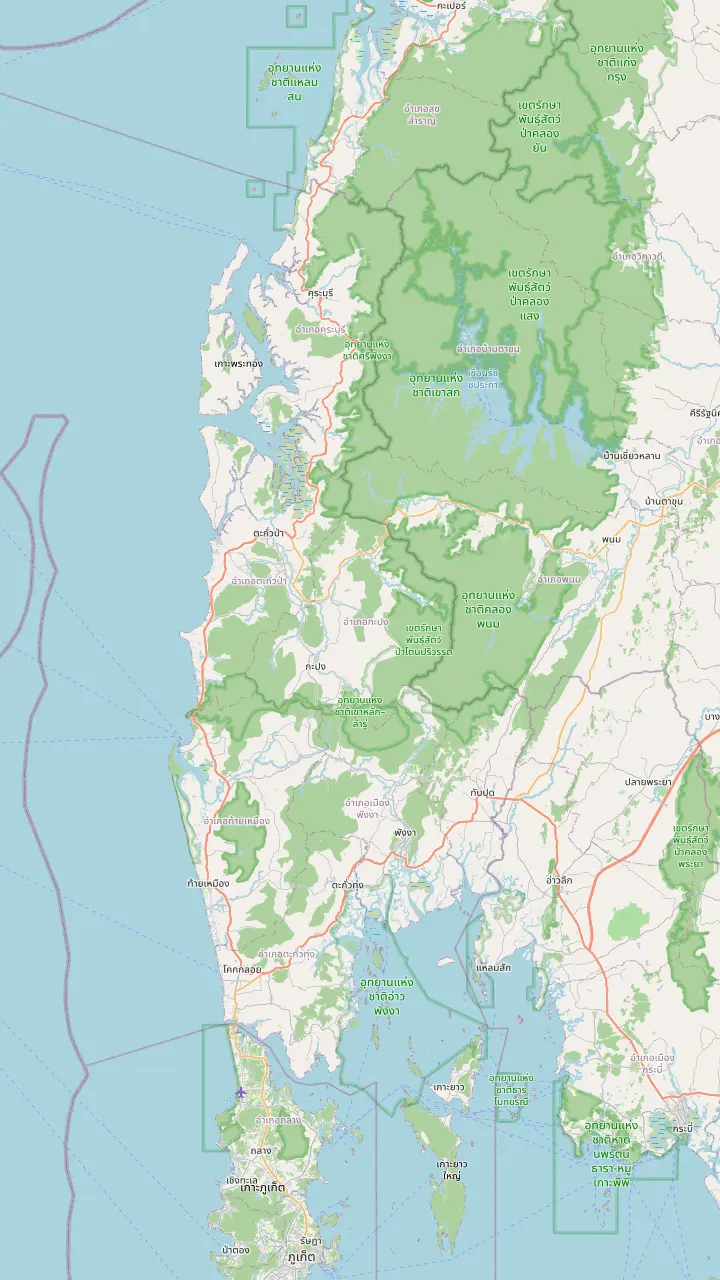
A temple in Khuek Khak that opens the half day of one listing.
Google MapsA Takua Pa temple that two half-day listings include.
Google MapsTalat Yai Takua Pa is the former site of Mueang Takua Pa, an old port town of the Ayutthaya period.
Google MapsWat Rat Uppatham, called Wat Bang Riang, stands on Khao Lan and holds a bell-shaped chedi.
Google MapsThe cave temple lies about 9 km from Phang-nga town on the highway to Phuket.
Google MapsThe provincial town; Takua Pa district lies 66 km from it.
Google MapsThe Dragon Cave Temple, named Tham Phaya Nakarat in one listing, is the first stop of the site's day.
Google MapsWat Rat Uppatham, called Wat Bang Riang, stands on Khao Lan and holds a bell-shaped chedi.
Google Maps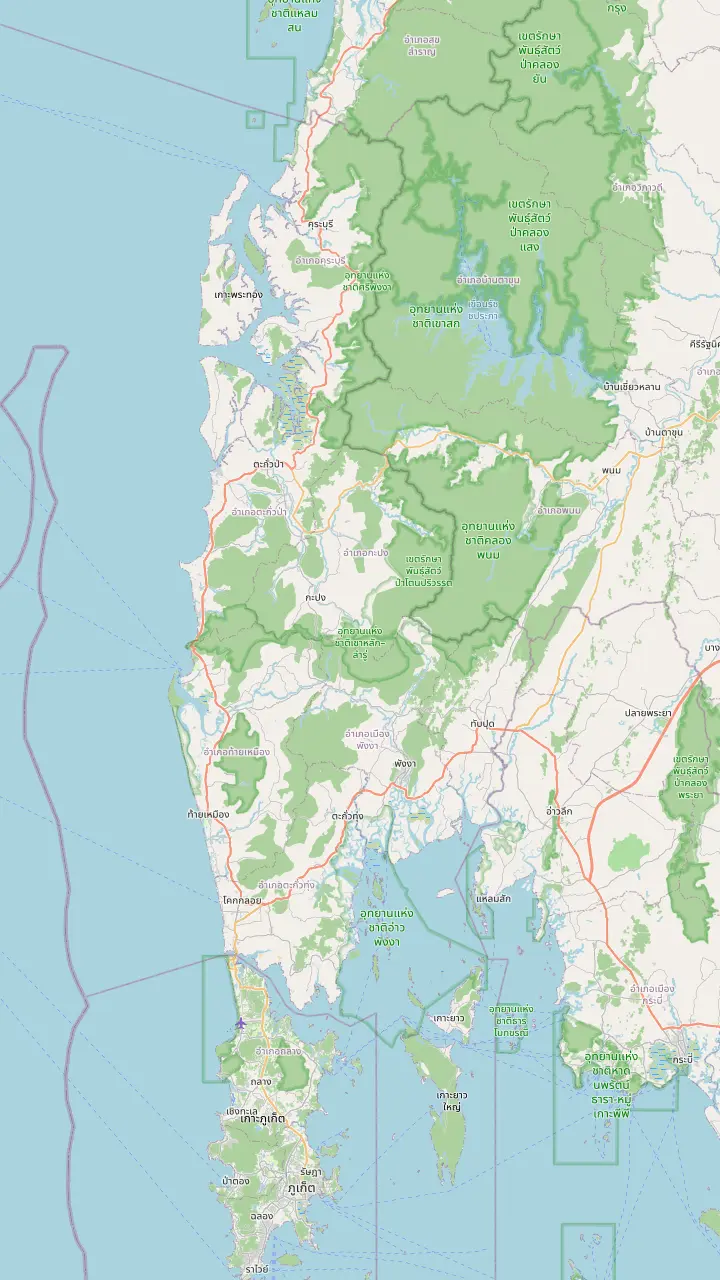
The Khuek Khak area is one of the three pick-up areas of the full-day spiritual temples listing.
Google MapsTalat Yai Takua Pa is the former site of Mueang Takua Pa, an old port town of the Ayutthaya period.
Google MapsThe Dragon Cave Temple, named Tham Phaya Nakarat in one listing, is the first stop of the site's day.
Google MapsWat Rat Uppatham, called Wat Bang Riang, stands on Khao Lan and holds a bell-shaped chedi.
Google MapsThe provincial town; Takua Pa district lies 66 km from it.
Google MapsThe cave temple lies about 9 km from Phang-nga town on the highway to Phuket.
Google Maps© OpenStreetMap contributors, map data
The Dragon Cave Temple near Khao Lak is the first stop of the temple day, set in limestone caves inland of the coast. Where it is, what the listings say about the climb and the caves, and how to visit with respect.
Editorial team, khaolaktempletour.click · Updated November 16, 2026 · 7 min of reading
Summary view
Several temple tours from Khao Lak start with a stop they call the Dragon Cave Temple, and the name is a translation. One listing gives the Thai name as Tham Phaya Nakarat and plans 1 hour at the site after 1 hour on the road from Khao Lak. Phaya Nakarat refers to the naga, the serpent king of Thai Buddhist art, the same kind of figure that shelters the seated Buddha cast at Wat Bang Riang.1 The dragon in the English name is that serpent, not a Chinese dragon.
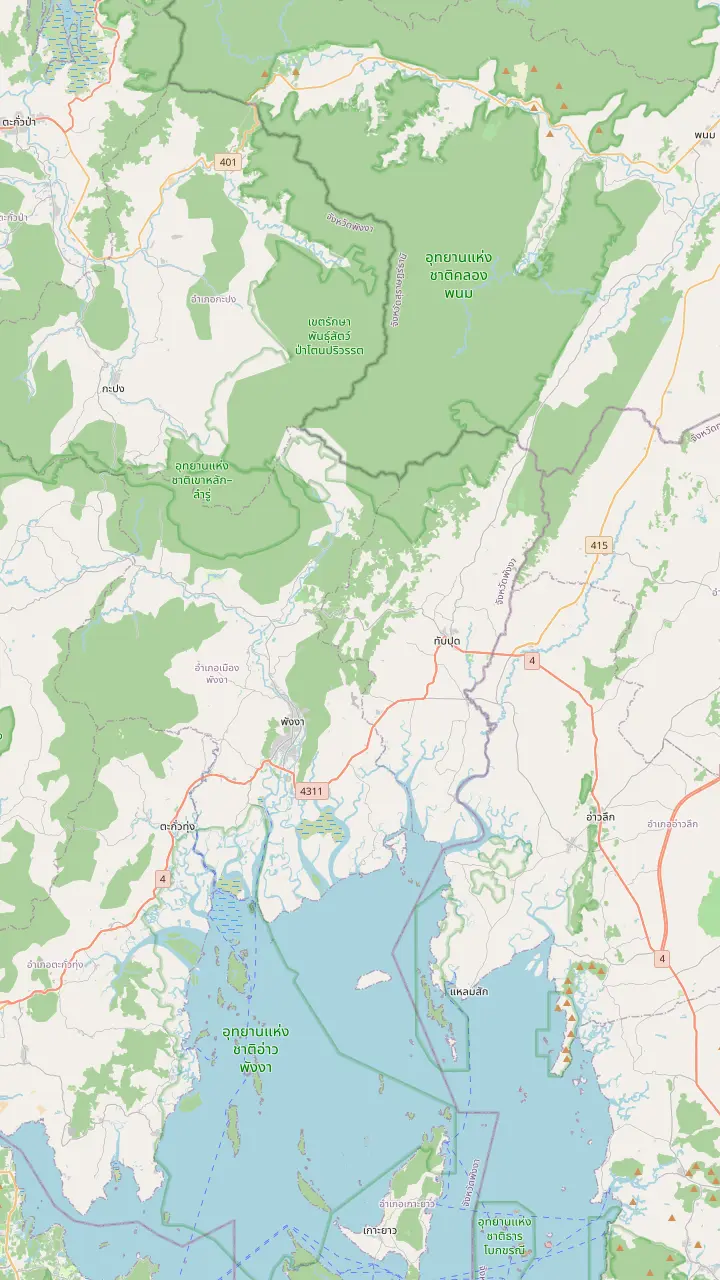
On the map above the pin sits inland from the coast road that Khao Lak traffic uses, and the provincial guide puts Takua Pa 66 km from Phang-nga town.2 The coordinates come from OpenStreetMap and no official visitor page for the temple turned up, so this guide sticks to what tour listings and the reviews of the day say about it. Where a figure is missing, it is missing on purpose.
For the site's own day the Dragon Cave Temple is the opening stop. The listing names its temples in order, beginning with the caves and ending with Wat Suwan Khuha, with a Thai lunch placed before the last stop. That order matters: you meet the steepest and darkest ground of the day while your legs are fresh and before the heat of the afternoon sets in. A visitor who saves the cave for later usually meets it tired and hurried, and the stop deserves better.
Listings side by side
| Listing | What it says | Time |
|---|---|---|
| Site's full day | First of the temples, caves to explore | 9 hours in all |
| Phang Nga temples | More than 200 steps, knees and shoulders covered | 8 hours in all |
| Full day with lunch | Monks prepare herbal remedies | 8 hours in all |
| Meditation and pagoda | Known for rainy season meditation | 7 hours in all |
| Spiritual and cultural day | Guided tour of 1 hour | A full day |
Each row restates what the listing itself names; the temple's own official page was not found, so no entry fee or opening times are given here.
The temple is described as a site of stalagmite and stalactite caves that visitors can explore. A different listing calls it a meditation space in karst caves, and a further listing mentions monks who prepare herbal remedies there. Taken together these descriptions picture a working monastery in a limestone hill, not a museum. Expect altars and Buddha images beside the rock, with the rock doing most of the decorating.
Cave temples are common in this part of Thailand. TAT names Tham Phung Chang in Phang-nga as a cave known for its stalagmites and stalactites,4 and the provincial guide describes visitors wading and riding a raft and a canoe to see the formations there.5 The Dragon Cave Temple is a different experience: you walk in on foot, and what you see is a temple before it is a geological formation.
Recent English reviews of the day mention caves with bats, wall paintings and large outdoor statues with serpents. That matches the layout one expects from the name: a dry cave interior with some darkness and a few resident animals, and open ground outside where the carved figures stand. Keep a quiet voice, keep your hands off the rock where you can, and give the bats the same space you would give a sleeping stranger.
Between the stops
Car legs of the 8 hour small-group listing after the opening drive of 1 hour out of Khao Lak.
The hard fact about this stop is the climb. One listing reports a climb of more than 200 steps at this temple, wants knees and shoulders covered and warns off visitors with mobility impairments. Recent reviewers of the site's day also mention the stairs at the first temple, adding that the pace was not rushed and the effort was worth it. Both statements agree, and both are the operators' and guests' own words.
No athletic training is required. Steps in the tropics are usually broad and shallow, and a guide can set the pace, but heat and humidity make a long climb harder than it sounds. Wear shoes you can slip off quickly, carry water in a small bag and use the rail where there is one. If you are carrying a child or a camera tripod, hand it to a companion for the climb and take it back at the top.
If the steps are too much for someone in your party, the day does not have to be abandoned. A half-day listing from Khao Lak that visits temples near the coast and a monastery is tagged wheelchair accessible, which is a useful alternative where the group is mixed. The older and younger visitors page of this site goes through the stops one by one, so use it before booking if mobility is the question.
Pick your day
Match your own comfort with the climb to the temple day that fits.
If I can manage a long climb
The site's 9 hour day
The listing starts the day with the caves.
If I want learning about Buddhism
The meditation and pagoda day
Its teaching topics include the Noble Truths and the Precepts.
If I want a small group
A listing limited to 8 guests
It includes the Dragon Cave and spends 1 hour there.
If Steps are hard for someone with me
A half day on the coast
A half-day listing is tagged wheelchair accessible.
If I am visiting in the wet months
Ask about the cave on the day
Caves can be at risk of flash flooding in heavy rain.6
Temple days that start here
The 9 hour day
Caves, mountain, cave Buddha
The shorter day
With Bang Riang and Bang Tong
The long way round
With a viewpoint lunch
One listing describes the Dragon Cave Temple as known for meditation during the rainy season. That fits the rhythm of Thai monastic life. TAT explains that Buddhist Lent opens on Khao Phansa, the day after the eighth-month full moon, when the rainy season begins and monks withdraw to their temples.7 They spend 3 months in study and meditation during the retreat.14
The same listing names its teaching topics: which Buddha image belongs to which weekday, the 4 Noble Truths, the 5 Precepts and meditation in the rainy season. Those are the guide's topics, and they show what a good guide adds at a temple like this one: not a history lecture, but a way of reading the images and offerings in front of you. Ask questions at the cave mouth, not in the dark passages, where voices carry.
During Lent many Thais fast or avoid alcohol, meat, tobacco and gambling, TAT says.15 A visitor does not need to follow suit, but it is a good reason to be gentle about food and drink near a monastery and to keep any packed snack out of sight. If you meet a monk, remember the rule TAT lists for women: no contact with a monk or his robes, so an offering is set down for him to take or passed along by a man.13
Day trips that include the caves
Pick a party size and compare what each temple day costs.
Review 3 options
Pick a party size and compare what each temple day costs.
≈
View≈
View≈
ViewGetYourGuide's starting prices, converted at the ECB reference rate; exact pricing appears when you book.
The stop in order
Pick-up
The listing asks guests down to the lobby 15 minutes early.
The drive
A listing allows 1 hour on the road to the caves.
Arrival
Entering a temple barefoot is expected, with shoe racks outside.3
The climb
A listing reports a climb of more than 200 steps here.
In the caves
One listing plans a guided tour of 1 hour here.
Onward
A car ride of 30 minutes follows in one listing.
Etiquette at the Dragon Cave Temple is the standard temple code. TAT says the norm inside a temple is bare feet, with racks or spaces for shoes outside.3 Hats and sunglasses come off and the phone goes to silent,11 and voices stay low, and smoking, gum and snacks are out while you walk around.12 Cave air carries sound, and a conversation at normal volume can be heard from the far end. Anyone planning an eco tour in Khao Lak will find the same spirit here: low impact, quiet and observant.
A pocket torch or a phone light helps in the dimmer passages, though the phone should stay in your pocket in front of a Buddha image unless the guide says photography is fine. A cloth for wiping a damp forehead, a bottle of water and a spare plastic bag for your shoes complete the kit. Cave floors can be wet, and a sudden shower makes stone slippery, so a pair of socks in a pocket can be a good idea for the way back to the car.
Rain matters more in a cave than in a street. The UK government's travel advice lists caves, lakes and waterfalls among the spots where heavy rain can bring sudden, dangerous flooding,6 and the listing warns that the day's itinerary can change in bad weather. A guide who tells you the cave is closed after a night of storms is giving good advice, not shortening your tour. A cave that is dry on Monday can be a different place on Tuesday, and no photograph is worth a wet scramble on stone.
Video
Norman in Phuket on YouTube · Video data is requested only when you tap play.
marks the start of the rainy season, when monks retreat to their temples
For the caves
The Dragon Cave Temple suits curious walkers, photographers who like a dramatic setting and anyone who wants the practice of Thai Buddhism explained in a place where it happens. It is less suited to people who dislike steps, enclosed spaces or bats. The site's own day pairs it with a temple set high on a mountain and a cave with a reclining Buddha, so the stops give different kinds of ground.
Other listings change the order. One puts the Dragon Cave Temple first, then Wat Rat Uppatham and a seafood lunch; another adds a guided cave visit of 1 hour, then lunch at a viewpoint. Compare them with the table on this page, and read the dress rule in each: several say shorts and sleeveless tops are not accepted and entry may be refused, which would be a poor way to start the day.
A final practical point: the pick-up time is confirmed after you book, and guests need to be ready in the lobby 15 minutes ahead. The drive to the caves is about an hour, so a late start eats into the 1 hour you are given in the caves. Local tours from Khao Lak that include this stop differ mostly in what they add after it. Arrive calm, not rushed, and the stop will give you more than a photograph of a statue. Take a minute at the entrance to look at the hill before you climb it; the setting is half the point of coming.
FAQ
The listing plans 1 hour at the stop after 1 hour on the road from Khao Lak.
The same listing wants knees and shoulders covered and warns off visitors with mobility impairments.
The listing names the Dragon Cave Temple first, then Bang Rieng Temple, lunch and Wat Suwan Khuha.
Listings describe the caves as a place to explore and a meditation space in karst.
A listing calls the temple known for meditation in the rainy season, and caves are at risk of flash flooding in heavy rain.6
TAT warns against blocking anyone for a photograph, especially a person at prayer.16
One listing is tagged wheelchair accessible and visits temples in Khuek Khak and Takua Pa.
Sources
Planning the temples from Khao Lak? Ask a real person here.